
Weight loss plateaus on a GLP-1: why they happen and what helps
From the Belle care team · Updated
A plateau is normal. It is not the end.
Almost everyone on a GLP-1 hits a stretch where the scale stops moving. This guide explains why it happens, how to tell a real plateau from a slow week, and what you can do about it, from your plate to your care team.
- It is expected. Your body adapts as you lose weight. A pause is part of the process, not a sign you did something wrong.
- It is often temporary. Many plateaus pass with a few small changes to how you eat, move and drink.
- You have options. Nutrition, strength training, hydration and, if you need it, a dose review with your Belle care team.

Why it happens
Your body adapts. That is biology. As you lose weight, your body changes how it uses energy and how it signals hunger. These changes are normal. They are also why the plan that got you here may need a tune-up to keep you going.
- A smaller body needs less fuel. You burn fewer calories at a lower weight. The amount you eat that once led to steady loss may now just hold your weight where it is.
- Your body pushes back. After weight loss, your body can burn a little less energy and turn up hunger signals to protect its stores. This is called metabolic adaptation.
- Habits drift over time. As side effects fade and you feel more like yourself, portions, snacks and drinks can creep back in without you noticing.
What counts as a plateau
A slow week is not a plateau. Your weight goes up and down every day, even when you are losing fat. Before you change anything, make sure you are looking at the real trend.
It is likely a plateau if
- Your weight has not changed in a meaningful way for 4 weeks or more.
- You took every dose on schedule during that time.
- Your waist and how your clothes fit have not changed either.
It is probably not a plateau if
- Your weight has not moved for a week or two.
- The scale jumped up after a salty meal, a hard workout or a poor night of sleep.
- You are near your period or are constipated. Both can add water and weight for a few days.
- You missed or delayed a dose.
- You just started strength training. Working muscles hold extra water at first.
- Weigh the same way. Weigh in the morning, after the bathroom, before you eat or drink, in similar clothes each time.
- Watch the average. Compare weekly averages, not single days. Or weigh once a week, on the same day each week.
- Track more than weight. Measure your waist once a month. Notice how clothes fit, your energy and your strength. These often change when the scale does not.
Part 1: Nutrition
Check your plate to fuel your progress. You are eating less than before, so what you eat matters more than ever. Small, steady changes here are the first and best way to get the scale moving again.
Often missed: are you eating enough?
It sounds backwards, but eating too little can stall your progress. GLP-1s can quiet your appetite so much that some people get through most of the day on a few bites. When your body gets too little food for too long, it can break down muscle, burn less energy to save fuel, and leave you too tired to move. All of that makes it harder to keep losing.
- Eat on a schedule, even if you are not hungry. Try 3 small meals plus 1 or 2 snacks.
- Start every meal with protein, then add vegetables and other foods.
- Put protein first. Protein helps you keep muscle while you lose fat, and it keeps you full longer. Many people aim for about 25 to 30 grams at each meal. Eat the protein on your plate before the rest, and ask your care team for your daily target.
- Track for one week. Portions and snacks creep up slowly. A short, honest food log often shows what changed, or that you are eating too little. Use an app or your phone's notes for 3 to 7 days. Count bites, tastes, sauces and drinks too.
- Fill up on fiber. Vegetables, fruit, beans and whole grains add volume for few calories and help keep your gut moving. Fill half your plate with vegetables. Add fiber slowly, with plenty of water.
- Watch what you drink. Liquid calories add up fast and do not keep you full. They are one of the most common hidden causes of a stall. Swap sweet coffee drinks and soda for water or unsweetened tea. Cut back on alcohol. It adds calories and lowers your guard around food.
What to eat: protein at every meal, every day
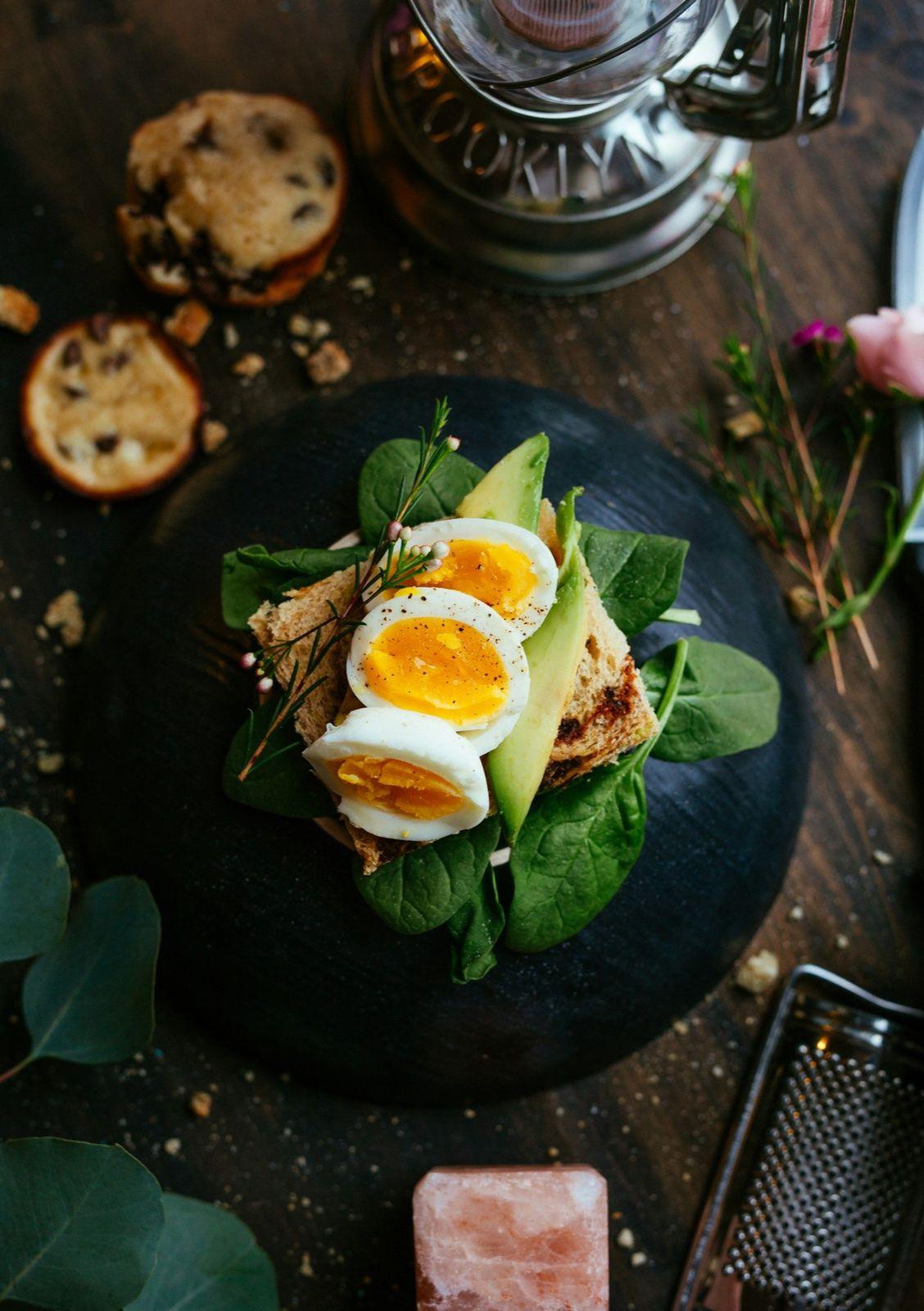
You do not need fancy foods or powders to hit your protein goal. These everyday foods make it easier. Amounts are approximate, so check labels when you can.
| Food | Amount | Protein |
|---|---|---|
| Chicken breast, cooked | 3 oz (about the size of a deck of cards) | 26 g |
| Salmon or other fish, cooked | 3 oz | 22 g |
| Lean ground turkey, cooked | 3 oz | 22 g |
| Canned tuna or chicken | 3 oz | 20 g |
| Protein shake | 1 ready-to-drink bottle | 20 to 30 g |
| Plain Greek yogurt | ¾ cup | 17 g |
| Cottage cheese | ½ cup | 12 g |
| Eggs | 2 large | 12 g |
| Lentils or edamame | ½ cup cooked | 9 g |
| String cheese | 1 stick | 7 g |
A sample day, about 90 grams of protein:
- Breakfast, 24 g: 2 eggs and ½ cup cottage cheese
- Lunch, 26 g: 3 oz chicken over a big salad
- Snack, 17 g: ¾ cup Greek yogurt with berries
- Dinner, 22 g: 3 oz salmon, vegetables, a little rice
Part 2: Movement
Build strength to protect your progress. When you lose weight, some of it comes from muscle. Muscle keeps you strong and burns more energy than fat, even at rest. Holding on to it is one of the best ways to keep losing.

- Lift 2 to 3 times a week. Work your legs, hips, back, chest, shoulders and arms. You do not need a gym. Start with your body weight: chair squats, wall push-ups, glute bridges. Add bands or dumbbells as it gets easier.
- Add more daily steps. Everyday movement adds up, and it is easy on your body. Find your daily average, then add 1,000 to 2,000 steps. Take a 10-minute walk after meals. It can also ease fullness.
- Build to 150 minutes a week. That is the weekly goal for moderate activity, like brisk walking, cycling or swimming. Break it into 10-minute pieces if that is easier. Pick something you like. You will stick with it.
A sample week to start
| Day | Activity |
|---|---|
| Monday | Strength, 20 to 30 min |
| Tuesday | Brisk walk, 30 min |
| Wednesday | Strength, 20 to 30 min |
| Thursday | Brisk walk, 30 min |
| Friday | Strength, or rest if sore |
| Saturday | Longer walk or something fun |
| Sunday | Rest and gentle stretching |
For a simple starter strength routine, see Losing weight slowly on a GLP-1.
Part 3: Hydration and recovery
Drink up. It matters more than you think. GLP-1s can dull your thirst along with your hunger, so many people drink less than they realize. Low fluids can leave you tired, constipated and snacky, and all three can stall your progress.

- Thirst can feel like hunger. Feeling snacky between meals? Drink a glass of water and wait 15 minutes. You may find you were thirsty.
- Water keeps you moving. Constipation is common on a GLP-1. A backed-up gut can add pounds on the scale and leave you bloated. Water and fiber help (see our constipation guide).
- Salt holds on to water. A salty meal can add water weight overnight. It is not fat, and it usually passes in a day or two.
Easy ways to drink more
- Carry a bottle with time or ounce markings.
- Drink a full glass when you wake up.
- Sip through the day. If you feel full or queasy, drink between meals, not with them.
- Add lemon, cucumber or a low-sugar electrolyte packet for flavor.
- Check your urine. Pale yellow means you are on track.
- Choose water over juice, soda and sweet coffee drinks.
Three more things that can stall progress
- Sleep. Short sleep raises hunger hormones and cravings. Aim for 7 to 9 hours a night.
- Stress. Ongoing stress can drive cravings and water retention. A walk, a call with a friend or a few slow breaths all help.
- Hormones and medicines. Perimenopause, menopause, thyroid problems and some medicines can affect weight. Your care team can help sort it out.
Part 4: Your dose
Still stuck? Your care team can help. If you have used the steps in this guide for 4 weeks or more and your weight still has not moved, it may be time to review your plan with your Belle clinician. This is extra true if your food noise has come back.
Is a dose increase right for you?
GLP-1 doses go up in steps. Many people lose weight steadily on one dose, then level off. A higher dose may help, but it is not right for everyone. Your clinician will look at your whole picture before making a change. It may be time to ask if:
- Your food noise is back. You think about food a lot again, get hungry soon after eating, or have cravings that had gone quiet.
- Your plateau has lasted 4 weeks or more, even with steady habits.
- Side effects are mild or gone at your current dose.
What to share with us: how long you have been on your dose, your weight trend, how hungry you feel, what you are eating, and any side effects.
Your clinician may
- Raise your dose to the next step.
- Keep your dose the same and adjust your nutrition or activity plan.
- Check for other causes, like thyroid problems, sleep, hormones or other medicines.
- Talk with you about whether you have reached a healthy weight to maintain.
Putting it together: a simple plan
Start at the top and give each change a few weeks to work. This is a general plan. Your care team may give you one that fits you better.
- First, check the trend: make sure it is a real plateau. Weigh the same way each time and compare weekly averages. Measure your waist. Give it 4 weeks before you call it a plateau.
- Every day, check your plate: eat enough, and lead with protein. Eat 3 small meals and 1 or 2 snacks, even when you are not hungry. Aim for 25 to 30 grams of protein at each meal. Log your food for a week.
- Every week, move and build: lift 2 to 3 times and walk more. Strength train your whole body 2 to 3 times a week. Add 1,000 to 2,000 steps a day and build toward 150 minutes of activity.
- Every day, drink and rest: hydrate and recover. Drink at least 64 ounces of fluid. Sleep 7 to 9 hours. Find small ways to ease stress.
- Still stuck after 4 weeks, or food noise is back? Message your Belle care team. Ask whether a dose increase is right for you. Your clinician can also check for other causes and adjust your plan.
Message your care team sooner if
- You cannot eat or drink enough because of nausea or no appetite.
- You feel dizzy, faint, or very weak or tired.
- You take insulin or a diabetes pill and are changing how you eat.
- Food or your weight is causing you a lot of stress or worry.
Need to reach us? See how to contact Belle.
Related guides
- Losing weight slowly on a GLP-1: why it happens and what helps
- Hair loss on a GLP-1: why it happens and what helps
- Nausea on a GLP-1: why it happens and what helps
- Constipation on a GLP-1: why it happens and what helps
- Heartburn and acid reflux on a GLP-1: why it happens and what helps
- Injection site reactions on a GLP-1: what is normal and what helps
- What results should I expect, why does the scale jump around, and what if I plateau?
- Keeping weight off on a GLP-1: your maintenance guide
More in GLP-1
- Why does my medication look different between shipments?
- Which syringe and needle do I use, and what if something goes wrong when I draw or inject?
- Can I switch between tirzepatide and semaglutide?
- Can I split my weekly injection into smaller doses? (Dose splitting)