
Constipation on a GLP-1: why it happens and what helps
From the Belle care team · Updated
Constipation is common. You can manage it.
GLP-1 medicines can slow down your bowels. This guide shows you why it happens, how to prevent it, and what to buy at the pharmacy if you need help.
- It is a known side effect. You are not doing anything wrong.
- It often gets better as your body gets used to the medicine.
- Simple steps help. Most people find relief with food, water, movement and over-the-counter products.

Why it happens
GLP-1 medicines help you feel full longer. They do this by slowing how fast food leaves your stomach and moves through your gut. That is part of how they work. But slower movement can also mean slower bowel movements.
- Food moves slower. The longer stool sits in your colon (large intestine), the more water your body pulls out of it. That makes stool hard and dry.
- You eat less. Smaller meals mean less bulk and less fiber to push things along.
- You may drink less. Many people feel less thirsty on a GLP-1. Less water in your body means drier stool.
The good news: constipation on a GLP-1 can be managed. For most people it is a bump in the road, not a reason to stop.
Part 1: Prevention
Three daily habits mean fewer bad days. The best way to deal with constipation is to stop it before it starts. Fiber, water and movement work as a team. Try to do all three every day.
1. Eat more fiber, slowly: 25 grams a day or more

Fiber adds bulk to stool and holds water in it. That makes stool softer and easier to pass. Aim for at least 25 grams of fiber a day.
Go slow. Adding a lot of fiber all at once can cause gas, bloating and cramps. Add about 5 grams more each week until you reach 25. If you start near 10 grams a day, that can look like this:
- Week 1: 10 grams a day
- Week 2: 15 grams a day
- Week 3: 20 grams a day
- Week 4: 25 grams a day
- Fiber needs water. More fiber without more water can make constipation worse.
- Spread it out. Have some fiber at each meal and snack, not all at once.
- Check food labels. Look for "Dietary fiber" on the Nutrition Facts panel.
Easy fiber foods
| Food | Amount | Fiber |
|---|---|---|
| Chia seeds | 2 tablespoons | 10 g |
| Raspberries | 1 cup | 8 g |
| Lentils, cooked | ½ cup | 8 g |
| Black beans, cooked | ½ cup | 7 g |
| Pear, with skin | 1 medium | 6 g |
| Broccoli, cooked | 1 cup | 5 g |
| Avocado | ½ fruit | 5 g |
| Apple, with skin | 1 medium | 4 g |
| Kiwi | 2 fruits | 4 g |
| Oatmeal, cooked | 1 cup | 4 g |
| Prunes | 5 prunes | 3 g |
Amounts are close estimates. Kiwi and prunes also have natural helpers that loosen stool.
2. Drink plenty of water: 64 ounces a day or more

Water keeps stool soft. Drink at least 64 ounces a day. That is eight 8-ounce cups, or a 32-ounce bottle filled twice. You may need more if you are active, it is hot out, or you are adding fiber.
- Sip all day. Big gulps can feel uncomfortable on a GLP-1. Small sips add up.
- Keep a bottle with you. If you can see it, you will drink it.
- Set reminders. Your phone can remind you to drink every hour or two.
- Start your day with a warm drink. Warm water, tea or coffee in the morning can help get your bowels moving.
3. Move your body: 30 minutes most days

When you move your body, the muscles in your gut start moving too. That helps push stool along. You do not need a hard workout. A walk counts.
- Walk after meals. Even 10 minutes after eating can help.
- Break it up. Three 10-minute walks work as well as one 30-minute walk.
- Stretching and yoga count. Twists and knee-to-chest stretches can ease gas and pressure.
Part 2: Treatment
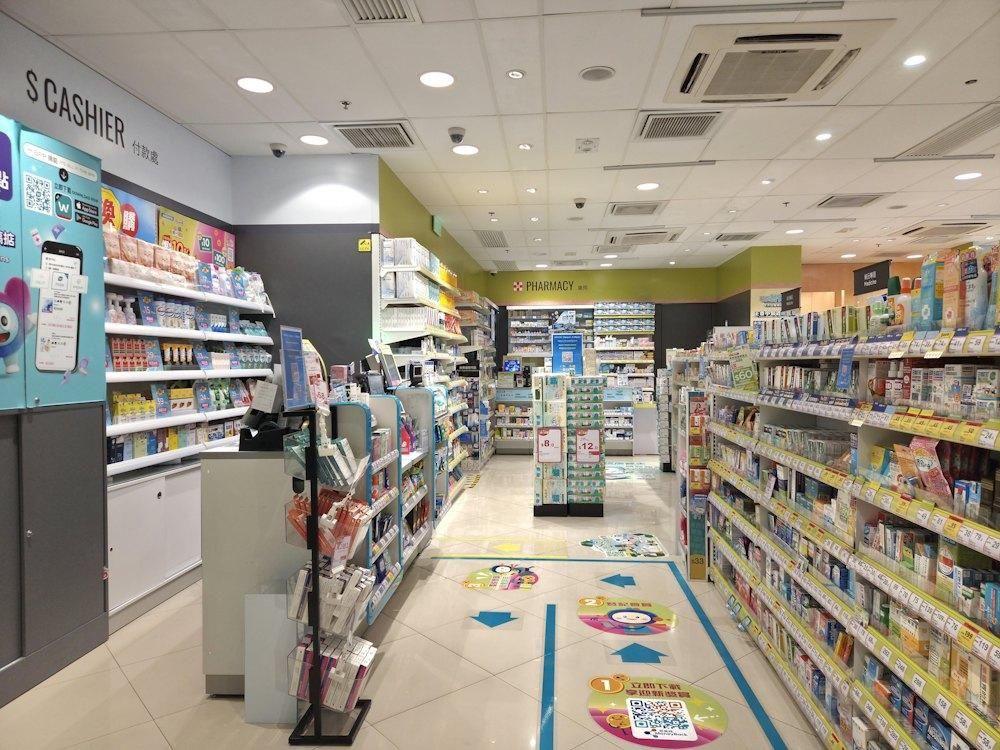
Already backed up? Here is what helps. Sometimes prevention is not enough. If you are already constipated, these over-the-counter products can help. Keep up with fiber, water and movement while you use them. Start with the gentlest option first.
A. Stool softeners
Stool softeners help water mix into stool so it is softer and easier to pass. They are gentle. They do not make you go. They help most when stool is hard and you have to strain.
Docusate sodium (stool softener), gentle. Look for Colace, Dulcolax Stool Softener or store brand "stool softener."
- Why: a good first step if your stool is hard or dry. Often taken once or twice a day.
- Works in 12 to 72 hours (half a day to 3 days).
- Tip: take with a full glass of water.
Docusate sodium + sennosides (softener + laxative). Look for Senokot-S, Peri-Colace or store brand "senna-S."
- Why: softens stool and also helps push it out. Useful when a softener alone is not enough.
- Works in 6 to 12 hours.
- Tip: often taken at bedtime so it works by morning.
B. Laxatives
Laxatives help you have a bowel movement. There are two main kinds.
- Osmotic laxatives pull water into your bowels to soften stool. They are gentle and a good first choice.
- Stimulant laxatives make the muscles in your bowels squeeze. They work faster but can cause cramps. Use them for short periods only.
Polyethylene glycol 3350 (osmotic), gentle and a good first choice. Look for MiraLAX or store brand "PEG 3350."
- How to use: a powder with no taste. Mix one capful (17 grams) into 4 to 8 ounces of water, juice, coffee or tea. Usually taken once a day.
- Works in 1 to 3 days.
- Tip: if stool gets too loose, use less or skip a day.
Magnesium hydroxide (osmotic), moderate. Look for Phillips' Milk of Magnesia or store brand "milk of magnesia."
- How to use: a liquid or chewable tablet. Works faster than MiraLAX.
- Works in 30 minutes to 6 hours.
- Caution: ask your care team first if you have kidney problems.
Magnesium citrate (osmotic), strong. Look for Citroma or store brand "magnesium citrate liquid."
- How to use: a liquid in a bottle. It is strong and is for when you are very backed up. Plan to stay close to a bathroom.
- Works in 30 minutes to 6 hours.
- Tip: drink extra water after. It can pull a lot of fluid.
- Caution: ask your care team first if you have kidney or heart problems.
Sennosides, or senna (stimulant), short-term only. Look for Senokot, Ex-Lax or store brand "senna."
- How to use: made from a plant. Usually taken at bedtime so it works by morning.
- Works in 6 to 12 hours.
- Watch for: cramps or belly pain.
- Limit: do not use for more than 1 week unless your care team says it is OK.
Bisacodyl tablets (stimulant), short-term only. Look for Dulcolax Laxative tablets, Correctol or store brand "bisacodyl."
- How to use: swallow whole. Do not crush or chew. Do not take within 1 hour of milk or antacids.
- Works in 6 to 12 hours.
- Watch for: cramps or belly pain.
- Limit: do not use for more than 1 week unless your care team says it is OK.
C. Other helpful options
These include supplements, suppositories and natural helpers. Fiber and magnesium glycinate supplements can be used every day to help prevent constipation. Suppositories are for when stool is stuck near the end and you need fast relief.
Psyllium or methylcellulose (fiber supplement), for daily use. Look for Metamucil, Konsyl, Citrucel or store brand "fiber."
- Why: helps you reach your 25 grams when food is not enough. Start with a small dose and build up, just like food fiber.
- Works in 12 to 72 hours.
- Tip: always mix with a full 8-ounce glass of water.
- Caution: take it 2 hours apart from other medicines. Fiber can keep them from being absorbed.
Magnesium glycinate (supplement), for daily use. Look for "Magnesium glycinate" on the front, store brand or any brand.
- Why: magnesium helps pull water into your bowels, which softens stool. The glycinate form tends to be gentle on the stomach. Many people take it at bedtime.
- Works in: often within 1 to 3 days of daily use.
- Tip: its effect is mild. If you need more help, see magnesium citrate or MiraLAX above.
- Caution: follow the label. Do not take more than 350 mg a day unless your care team says it is OK. Ask first if you have kidney problems.
Glycerin suppository, fast and mild. Look for Fleet Glycerin or store brand "glycerin suppositories."
- How to use: placed in the rectum. Softens and slides out stool that is stuck near the end.
- Works in 15 to 60 minutes.
Bisacodyl suppository, fast and stronger. Look for Dulcolax suppository or store brand "bisacodyl suppository."
- How to use: placed in the rectum. Makes the lower bowel squeeze to push stool out.
- Works in 15 to 60 minutes.
- Watch for: cramps or a burning feeling.
Prunes, prune juice and kiwi (natural food helpers). Try 4 to 8 ounces of prune juice, 5 prunes, or 2 kiwis a day.
- Why: these foods have fiber plus natural compounds that draw water into stool. They are a gentle way to get things moving.
- Works in: often within a day or two.
Putting it together: a simple plan
Move to the next step only if the one before it has not helped. This is a general plan. Your care team may give you a plan that fits you better.
- Every day, keep up the basics. Fiber (work up to 25 grams), 64 ounces or more of water, and 30 minutes of movement. Add a daily fiber or magnesium glycinate supplement if you need it.
- No bowel movement in 2 to 3 days? Add a gentle helper. Try MiraLAX once a day, a stool softener, or both. Prunes or prune juice can help too.
- Still stuck after 2 more days? Add a stronger laxative. Take senna or bisacodyl tablets at bedtime. Or try magnesium citrate if you are very backed up.
- Stool feels stuck near the end? Try a suppository. Use a glycerin or bisacodyl suppository. If nothing works, message your Belle care team.
Part 3: When to get help
Most constipation can be handled at home. But some signs mean you need help from a clinician. Do not stop your GLP-1 on your own. Your care team may be able to change your dose or slow down your dose increases.
Message your Belle care team if
- You have not had a bowel movement in 4 or more days, even after trying the steps above.
- You have needed a laxative for more than 1 week.
- You see a small amount of bright red blood on the toilet paper.
- Constipation is making it hard to eat, drink or take your medicine.
- You are pregnant or breastfeeding, have kidney or heart disease, or take other medicines and are not sure what is safe.
Need to reach us? See how to contact Belle.
Feeling queasy too? Read Nausea on a GLP-1: why it happens and what helps.
Related guides
More in GLP-1
- Heartburn and acid reflux on a GLP-1: why it happens and what helps
- Injection site reactions on a GLP-1: what is normal and what helps
- Losing weight slowly on a GLP-1: why it happens and what helps
- Nausea on a GLP-1: why it happens and what helps