
Heartburn and acid reflux on a GLP-1: why it happens and what helps
From the Belle care team · Updated
Heartburn on a GLP-1 is common. You can calm it.
GLP-1 medicines can make acid reflux more likely, especially early on. This guide explains why it happens, the signs that are easy to miss, the daily habits that help, and what to buy at the pharmacy.
- It is a known side effect. You are not doing anything wrong.
- It often eases with time as your body adjusts to the medicine and each new dose.
- Habits come first. When, how much and what you eat can make a big difference.

What acid reflux is
Your stomach makes strong acid to digest food. A ring of muscle at the bottom of your food pipe (esophagus) works like a one-way valve. When that valve relaxes or gets pushed open, acid backs up into the food pipe. That is acid reflux. The burning it causes is called heartburn.
- Valve closed: food goes down. Acid stays in the stomach, where it belongs.
- Valve open: a full stomach pushes on the valve. Acid moves up and irritates the food pipe.
Why it happens on a GLP-1
GLP-1 medicines help you feel full longer by slowing how fast food leaves your stomach. That is part of how they work. But food that sits longer keeps the stomach full and pressing on the valve, which gives acid more chances to back up. The good news: weight loss itself tends to improve reflux over time.
- Food stays longer. A meal can sit in your stomach for hours longer than it used to. A full stomach is more likely to push acid up.
- Old portions feel too big. Your stomach now fills up fast. A meal that was normal before can overfill it and stretch the valve open.
- Late meals linger. Food eaten close to bedtime may still be in your stomach when you lie down. Lying flat makes it easy for acid to flow up.
Signs to watch for
Not all reflux feels like heartburn. Some reflux is "silent." Acid can travel all the way up to your throat and voice box without much burning in your chest. These symptoms are easy to blame on allergies or a cold.
The classic signs
- Burning in the chest behind the breastbone, often after eating
- Sour or bitter taste, or food or liquid coming back up
- Burning in the upper belly, or a gnawing, too-full feeling
- Worse when lying down or bending over
- A lot of burping or bloating after meals
- Nausea that is worse after eating
The silent signs (easy to miss)
- Hoarse or raspy voice, especially in the morning
- A cough that will not go away, often worse at night or after meals
- Clearing your throat over and over
- A lump-in-the-throat feeling that does not go away when you swallow
- Sore throat or mucus in the throat when you wake up
- Wheezing or asthma that is harder to control
- Bad breath or sensitive teeth from worn tooth enamel
Part 1: Habits that help
Changes to your daily routine are the first step for reflux, and they help medicines work better too. On a GLP-1, timing matters more than ever because food stays in your stomach longer.

1. Time your meals: stop eating at least 3 hours before bed
Give your stomach time to empty before you lie down. On a GLP-1, some people do better with 4 hours. Make dinner your earlier, lighter meal when you can. For a 10 PM bedtime, that could look like this:
- 6 PM, dinner: a smaller, lower-fat meal. Finish by 7 PM.
- 7 PM, kitchen closed: water is fine. Stay upright: a short walk, dishes, a show on the couch.
- 10 PM, lie down: with the head of the bed raised (see step 4).
2. Eat smaller, slower
- Smaller meals, more often. 4 to 5 small meals sit better than 2 or 3 big ones.
- Slow down. Put your fork down between bites. Aim for 20 minutes per meal.
- Stop at "just satisfied." On a GLP-1, fullness can show up late. Stop before you feel full.
- Sip water between meals, not big glasses with meals. Extra liquid adds to the volume in your stomach.
3. Stay upright
- No lying down for 3 hours after eating, including naps on the couch.
- Take a 10-minute walk after meals. It helps your stomach empty.
- Avoid bending over or hard core workouts right after you eat.
- Wear looser waistbands. Tight belts and shapewear squeeze the stomach.
4. Set up your bed
Raise the head of your bed 6 to 8 inches. This keeps your chest higher than your stomach all night. Put sturdy bed risers or blocks under the legs at the head of the bed, or sleep on a foam wedge pillow made for reflux.
- Extra pillows do not work as well. They bend you at the waist, which can push on your stomach.
- Sleep on your left side. It keeps the valve above the stomach acid. Sleeping on your right side can make reflux worse.
5. Know your triggers
Some foods make reflux more likely. You do not need to cut all of these. Triggers are personal. Keep a simple log for 1 to 2 weeks of what you ate and when heartburn hit, then cut back on the foods that show up again and again.
| Trigger | Examples | Why it can cause trouble |
|---|---|---|
| High-fat and fried food | Fries, pizza, burgers, creamy sauces, bacon | Fat slows the stomach even more and relaxes the valve. This is a big one on a GLP-1. |
| Spicy food | Hot sauce, chili, curry with a lot of heat | Can irritate a food pipe that is already sore. |
| Acidic food | Tomato sauce, citrus fruit and juice, vinegar | Adds acid and can sting on the way down. |
| Caffeine | Coffee, energy drinks, strong tea | Can relax the valve and boost acid for some people. |
| Chocolate and mint | Chocolate, peppermint, spearmint, mint tea | Both can relax the valve. |
| Alcohol | Wine, beer, cocktails | Relaxes the valve and irritates the food pipe. Often worse at night. |
| Fizzy drinks | Soda, sparkling water, beer | Bubbles stretch the stomach and push on the valve. |
| Onion and garlic | Raw onion, garlic-heavy dishes | A common trigger for some people, not all. |
Foods that are usually gentle
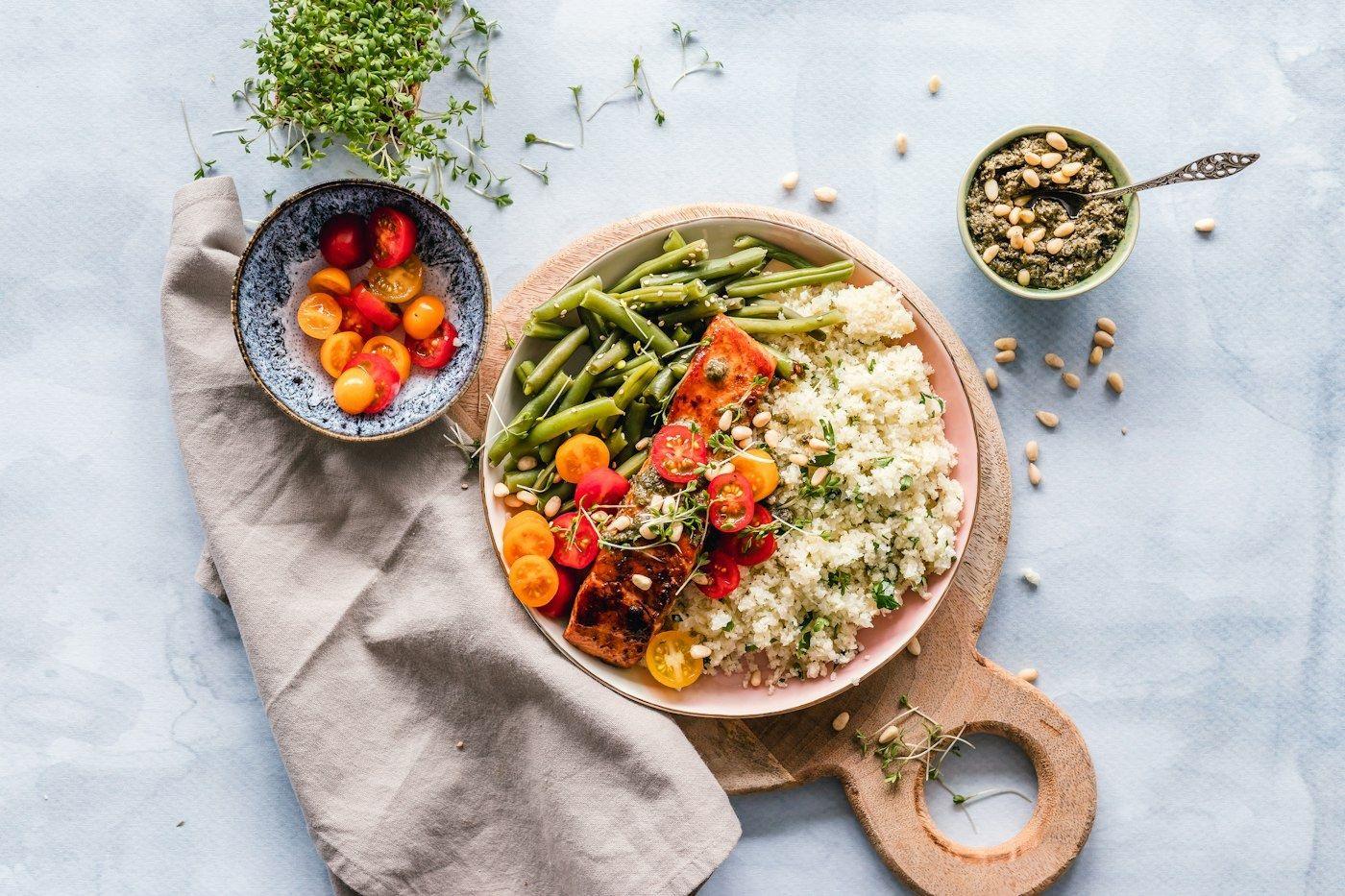
- Lean protein: chicken, turkey, fish, eggs, tofu, Greek yogurt
- Grains and starches: oatmeal, whole grains, rice and potatoes
- Non-citrus fruit: bananas, melon, apples, pears
- Vegetables: green beans, broccoli, carrots, leafy greens
- Healthy fats in small amounts: avocado, olive oil, nuts
Other habits that help
- Chew sugar-free gum (not mint) after meals. More saliva helps wash acid down.
- Quit smoking or vaping. Nicotine relaxes the valve.
- Go easy on shot days. Plan smaller, lower-fat meals the day of and the day after your shot.
- Check your other medicines. Some pain relievers, like ibuprofen and naproxen, can irritate the stomach. Ask your care team.
Part 2: Over-the-counter treatment
If habits are not enough, the pharmacy has good options. There are three kinds of medicine, and each has a different job. The right one depends on how often you get heartburn and how fast you need relief. Shop by the active ingredient on the Drug Facts label. Store brands work the same and often cost less.
| Type | How it works | Starts working | Lasts | Best for |
|---|---|---|---|---|
| Antacids (Tums, Mylanta, Gaviscon) | Neutralize acid that is already in your stomach | Minutes | 30 to 60 min | Heartburn right now, once in a while |
| H2 blockers (Pepcid, famotidine) | Turn down how much acid your stomach makes | 15 to 60 min | Up to 12 hours | Heartburn you can see coming, like a big meal or bedtime |
| PPIs (Prilosec, Nexium, Prevacid) | Strongly block the pumps that make acid | 1 to 4 days for full effect | 24 hours | Frequent heartburn, 2 or more days a week |
A. Antacids: fast relief
Antacids are bases that neutralize stomach acid on contact. They give the fastest relief but wear off quickly. They do not stop your stomach from making more acid.
Calcium carbonate (chewable antacid). Look for Tums or store brand "antacid."
- How to use: chew 2 to 4 tablets well when symptoms start. Also gives you a little calcium.
- Works in a few minutes. Lasts 30 to 60 minutes.
- Watch for: constipation. That matters on a GLP-1. If it happens, see our constipation guide.
- Caution: do not take more than the label's daily limit. Ask first if you have kidney problems or kidney stones.
Aluminum + magnesium hydroxide (liquid antacid). Look for Mylanta, Maalox or store brand "antacid liquid."
- How to use: shake well. Liquids coat the food pipe and work fast. Many also have simethicone for gas and bloating.
- Works in a few minutes. Lasts 30 to 60 minutes, longer after a meal.
- Watch for: loose stool from magnesium.
- Caution: ask first if you have kidney problems.
Alginate "raft" products (antacid + alginate), great at bedtime. Look for Gaviscon or store brand "foaming antacid."
- How to use: forms a foam layer that floats on top of your stomach contents and blocks acid from moving up. Take after meals and before bed. Chew tablets well, then drink a half glass of water.
- Works in a few minutes. Lasts up to a few hours.
- Caution: ask first if you have kidney problems or follow a low-sodium diet.
B. H2 blockers: longer relief
H2 blockers tell your stomach to make less acid. They take a little longer to kick in than antacids but last much longer. They are a good fit when you know heartburn is coming, like before a bigger meal or at bedtime.
Famotidine 10 or 20 mg, a good first choice. Look for Pepcid AC, Zantac 360 (it now contains famotidine) or store brand "acid reducer famotidine."
- How to use: take 1 tablet with water to relieve heartburn. To prevent it, take 1 tablet 15 to 60 minutes before a trigger meal or at bedtime.
- Works in 15 to 60 minutes. Lasts up to 12 hours.
- Limit: 2 tablets in 24 hours.
- Caution: ask first if you have kidney problems.
Famotidine + calcium carbonate + magnesium hydroxide, fast and long-lasting. Look for Pepcid Complete or store brand "dual action."
- How to use: a chewable that pairs a fast antacid with famotidine. Good when you need relief now and want it to last.
- Works in a few minutes. Lasts up to 12 hours.
- Limit: 2 tablets in 24 hours.
- Caution: ask first if you have kidney problems.
Cimetidine: ask your pharmacist. Look for Tagamet HB. It works like famotidine, but it interacts with more medicines, including some blood thinners, seizure medicines and antidepressants. Most people should choose famotidine instead. Check with your pharmacist first if you want to try it.
C. Proton pump inhibitors (PPIs): strongest relief
PPIs are the strongest acid reducers you can buy without a prescription. They shut down the tiny pumps in your stomach that make acid. They are not for quick relief. Over the counter, they come as a 14-day course: one pill a day for 14 days.
- Omeprazole 20 mg: the most common choice. Look for Prilosec OTC or store brand "omeprazole." Also sold with sodium bicarbonate as Zegerid OTC.
- Esomeprazole 20 mg: works much like omeprazole. Look for Nexium 24HR or store brand "esomeprazole." Comes as tablets or capsules.
- Lansoprazole 15 mg: another option that works the same way. Look for Prevacid 24HR or store brand "lansoprazole." Pick the one that fits your budget.
How to take a PPI
- Once a day, in the morning, 30 to 60 minutes before breakfast, with a glass of water.
- Swallow it whole. Do not crush or chew.
- Give it a few days. Full relief can take 1 to 4 days. Use an antacid in the meantime if you need one.
Good to know
- Limit: one 14-day course, no more than once every 4 months, unless your care team says otherwise.
- Long-term use can lower B12 and magnesium and has other risks. It needs a clinician's plan.
- Stopping after weeks can cause rebound heartburn for a short time. Ask about tapering (slowly lowering the dose).
Putting it together: a simple plan
Move to the next step only if the one before it is not enough. This is a general plan. Your care team may give you one that fits you better.
- Every day, keep up the habits. Smaller, slower, lower-fat meals. Nothing to eat 3 hours before bed. Head of the bed raised. Cut back on the triggers you have spotted.
- Heartburn once in a while? Use an antacid when it hits. Tums, Mylanta or Gaviscon for fast relief. Gaviscon after dinner or at bedtime can help with nighttime reflux.
- Heartburn you can predict? Add famotidine before it starts. Take famotidine 15 to 60 minutes before a bigger meal or at bedtime. No more than 2 tablets in 24 hours.
- Heartburn 2 or more days a week? Try a 14-day PPI course. Omeprazole, esomeprazole or lansoprazole once each morning before breakfast for 14 days. Keep up the habits while you take it.
- Still need medicine after 2 weeks, or it comes right back? Message your Belle care team. Do not keep going on your own. We can look for the cause, talk about prescription options and adjust your GLP-1 plan if needed.
Part 3: When to get help
Most reflux on a GLP-1 can be handled at home. But some signs mean you need a clinician. Do not stop your GLP-1 on your own. Your care team may be able to change your dose or slow your dose increases.
Message your Belle care team if
- You have used heartburn medicine for more than 2 weeks, or it comes back soon after you stop.
- You have heartburn 2 or more times a week, even with the habits in this guide.
- A hoarse voice, cough or sore throat lasts more than 3 weeks.
- Reflux or nausea is making it hard to eat, drink or get enough protein.
- It hurts to swallow, or food feels like it gets stuck.
- You are pregnant or breastfeeding, have kidney disease, or take other medicines and are not sure what is safe.

We are here to help. Reflux is one of the most common things we help patients with on a GLP-1. If something in this guide is not working for you, send your Belle care team a message. Small changes to your plan can make a big difference.
See how to contact Belle.
Feeling queasy too? Read Nausea on a GLP-1: why it happens and what helps.
Related guides
- Constipation on a GLP-1: why it happens and what helps
- Nausea on a GLP-1: why it happens and what helps
- Injection site reactions on a GLP-1: what is normal and what helps
- Losing weight slowly on a GLP-1: why it happens and what helps
Sources
- Katz PO, et al. ACG clinical guideline for the diagnosis and management of gastroesophageal reflux disease. American Journal of Gastroenterology, 2022.
- WEGOVY and ZEPBOUND prescribing information (rates of indigestion and reflux in clinical trials).
- U.S. FDA Drug Facts labels for over-the-counter famotidine, cimetidine, omeprazole, esomeprazole, lansoprazole and antacids.
- Ness-Jensen E, et al. Weight loss and reduction in gastroesophageal reflux. American Journal of Gastroenterology, 2013.
More in GLP-1
- Injection site reactions on a GLP-1: what is normal and what helps
- Losing weight slowly on a GLP-1: why it happens and what helps
- Nausea on a GLP-1: why it happens and what helps
- Why does my medication look different between shipments?