
Creatine, explained simply
From the Belle care team · Updated
Creatine, explained simply.
Creatine is one of the most studied supplements in the world, and one of the most misunderstood. This guide covers what it is, who it may help, which form to choose, and how to fit it into your day.
- It is not a steroid or a hormone. Your body makes creatine every day, and you get some from food.
- It works best with strength training. Creatine helps your muscles do a little more work, and the work is what builds strength.
- Simple to take. 5 grams a day, every day. No loading, no cycling, no special timing.
What creatine is: a fuel your muscles already use
Creatine is a natural compound made from amino acids, the small building blocks of protein. Your liver, kidneys and pancreas make some every day. You also get a little from foods like red meat and fish. About 95% of it is stored in your skeletal muscles (the muscles you move on purpose), with a small amount in your brain.
Where it comes from, and what it does
- It comes from three places. Your body makes it, you get some from food, and a supplement can top off your stores.
- Your muscles store it as phosphocreatine. This is a quick energy reserve, ready in seconds.
- Phosphocreatine refills ATP. ATP is the fast energy your cells run on. More of it means you can lift, climb and push a little harder.
Creatine has decades of research behind it, with hundreds of studies. It is one of the most studied sports supplements there is.
Who may benefit: not just athletes
Creatine is often linked with gyms and bodybuilders, but much of the newer research looks at everyday adults, women and people as they age. These are the groups most often studied.
- People who strength train. The strongest research is here. Paired with lifting or bands, creatine supports gains in strength and lean muscle.
- Anyone on a GLP-1 medicine. When you eat less and lose weight, some of that loss can be muscle. Strength training and enough protein come first (see how to keep your muscle). Creatine may help support them.
- Women in perimenopause and menopause. Falling estrogen speeds up the loss of muscle and bone. Women also tend to have lower creatine stores, which makes this a busy area of study.
- Adults over 50. Muscle naturally shrinks with age, a process called sarcopenia. Creatine plus strength training is studied as a way to slow that down.
- Vegetarians and vegans. Creatine comes mostly from meat and fish, so plant-based eaters usually start with lower stores and may notice more of a change.
Myths vs. facts
Forms of creatine: one clear winner
Store shelves are full of creatine types, each with its own claims. Almost all of the research uses one form: creatine monohydrate. Newer forms often cost more without proof that they work better.
| Form | What it is | Research | Bottom line |
|---|---|---|---|
| Creatine monohydrate | Creatine joined to a water molecule. The classic form. | Strong | The gold standard. Used in most studies. The form in HydroBelle + Creatine. |
| Micronized monohydrate | The same monohydrate, ground into finer powder. | Strong | Same benefits. Mixes more smoothly in water. |
| Creatine HCl | Creatine joined to hydrochloride. Dissolves easily. | Limited | Few studies. Not shown to work better than monohydrate. |
| Buffered creatine | Sold as Kre-Alkalyn. Claims less breakdown in the stomach. | Limited | A head-to-head study found no advantage. |
| Creatine ethyl ester | Creatine changed to absorb "better." | Limited | Studies found it raised muscle stores less than monohydrate. |
Mixing powder into water and drinking it that day is fine.
The research: what we know, and what is next
Some benefits of creatine are backed by decades of research. Others are newer and still being studied. Here is an honest look at where the science stands today.
| Area | Evidence | What the research says |
|---|---|---|
| Strength and lean muscle, with training | Strong | Paired with resistance training, creatine supports greater gains in strength and lean muscle than training alone. |
| Short, hard bursts of effort | Strong | Helps with repeated quick efforts like lifting, sprints and intervals. |
| Safety in healthy adults | Strong | Studied at 3 to 5 g a day for up to several years, with no serious side effects found in healthy people. |
| Aging muscle and bone | Growing | In older adults and women after menopause, creatine plus strength training is studied for muscle and bone. Muscle results look promising. Bone results are mixed. |
| Brain, memory and focus | Growing | Your brain stores creatine too. Some studies show help with memory and mental tiredness, especially during poor sleep or stress, and in older adults. |
| Mood | Early | Small studies, mostly in women, have looked at creatine alongside standard depression treatment. Interesting, but far from proven. |
Strong: many studies agree. Growing: promising, some mixed results. Early: small or first studies.
How to use it: five grams a day
The most important thing with creatine is not when you take it. It is taking it every day. Your muscle stores fill slowly and stay full with steady use.
- Take 5 g daily. Every day, including rest days. Skipping days slowly lowers your stores.
- Any time works. Morning, lunch or around a workout. Pick the time you will remember.
- Drink your water. Mix it in water and keep sipping through the day.
- Train for strength. Two or three strength sessions a week, with lifting, bands or body weight.
What to expect
| When | What happens |
|---|---|
| Week 1 | Stores start to fill. You may not feel anything yet, and that is normal. |
| Weeks 1 to 4 | A small scale bump is possible. That is water in muscle, not fat. |
| Around week 4 | Stores are usually full with steady daily use. |
| Month 2 and on | Strength and how your workouts feel are the best ways to track it. |
Available from Belle: electrolytes and creatine in one stick
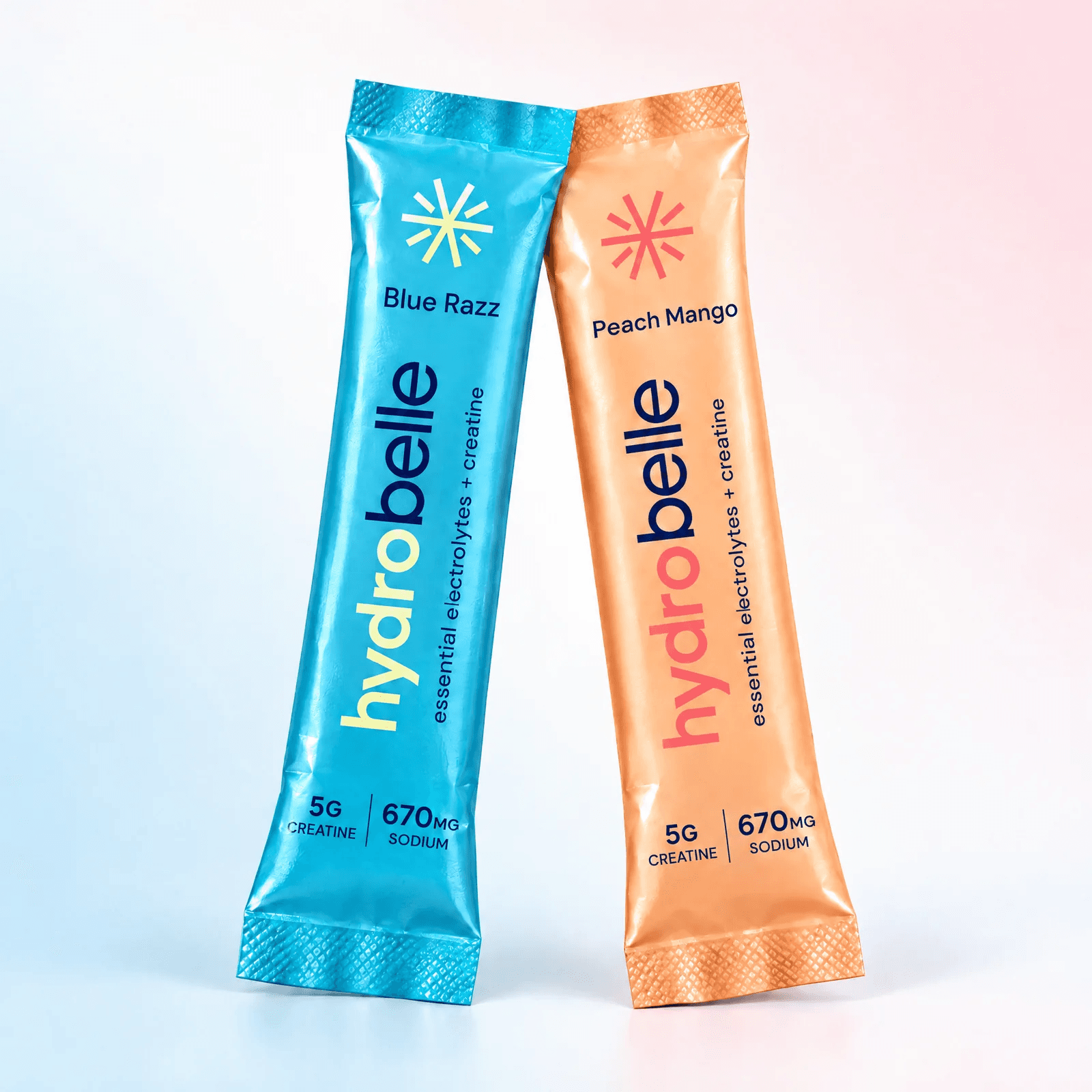
HydroBelle + Creatine is our zero-sugar electrolyte drink mix with a full 5 g of creatine monohydrate in every stick. When you eat less, you also take in less of the salt and water food usually brings. This puts both back in your glass, with your daily creatine riding along.
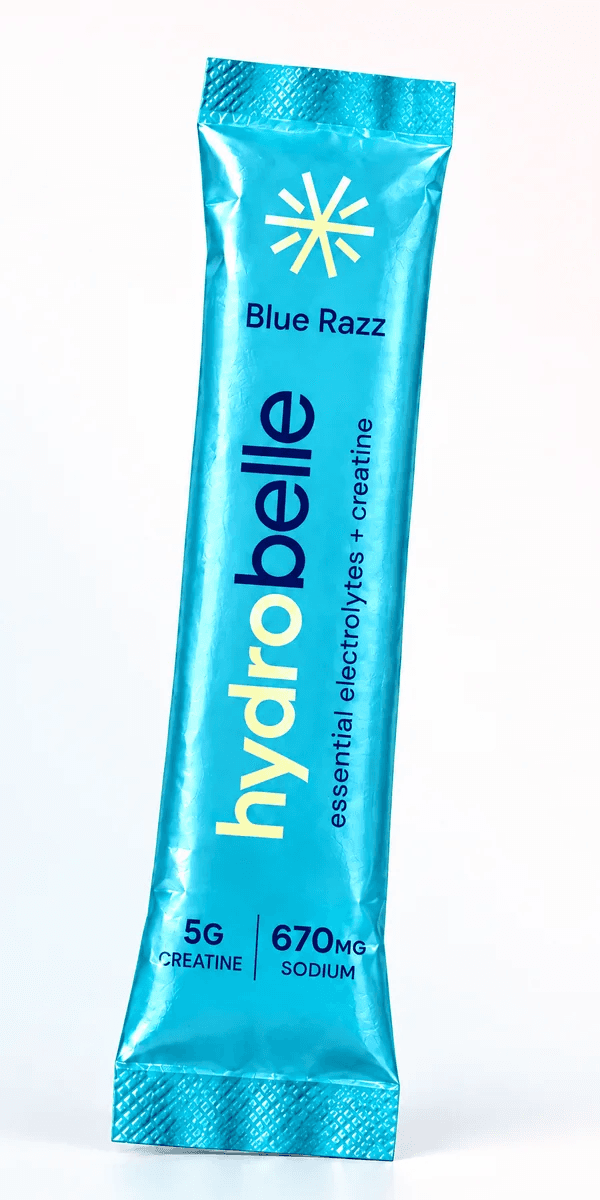
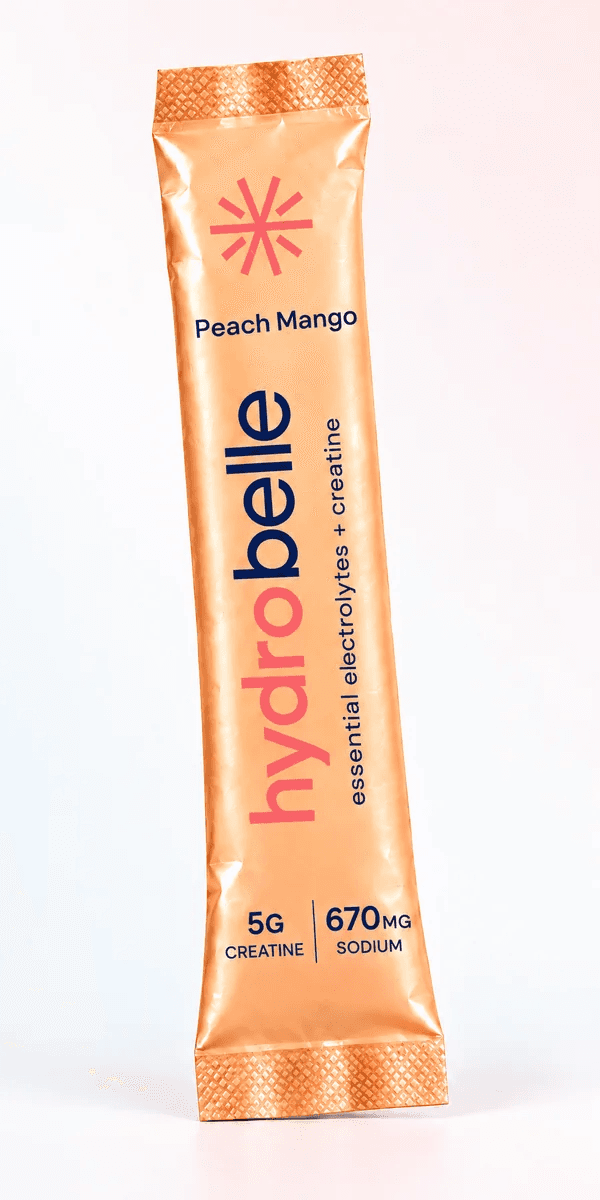
Want to add it to your plan? See What is HydroBelle + Creatine, and how do I get it?.
Related guides
- What is HydroBelle + Creatine, and how do I get it?
- Which supplements does Belle recommend, and is creatine safe?
- How do I keep my muscle while losing weight? Strength training and exercise on a GLP-1
- Keeping weight off on a GLP-1: your maintenance guide
- Weight loss plateaus on a GLP-1: why they happen and what helps
- Losing weight slowly on a GLP-1: why it happens and what helps
More in Nutrition
- What is HydroBelle + Creatine, and how do I get it?
- What results should I expect, why does the scale jump around, and what if I plateau?
- How much water should I drink, and do I need electrolytes?
- What should I eat? Real food, the 90/10 rule, and popular diets