Coming soon

HydroBelle + Creatine

Join the waitlist
Belle Cares

We're giving $50,000.

Nominate
The Belle podcast

Clinically Well. Clear answers, no hype.

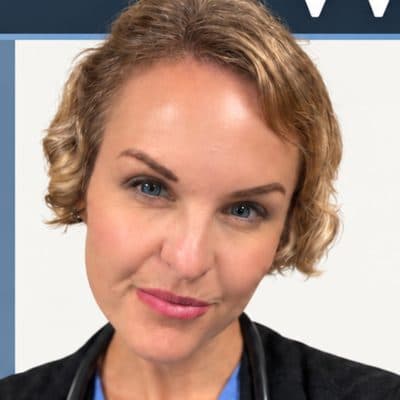
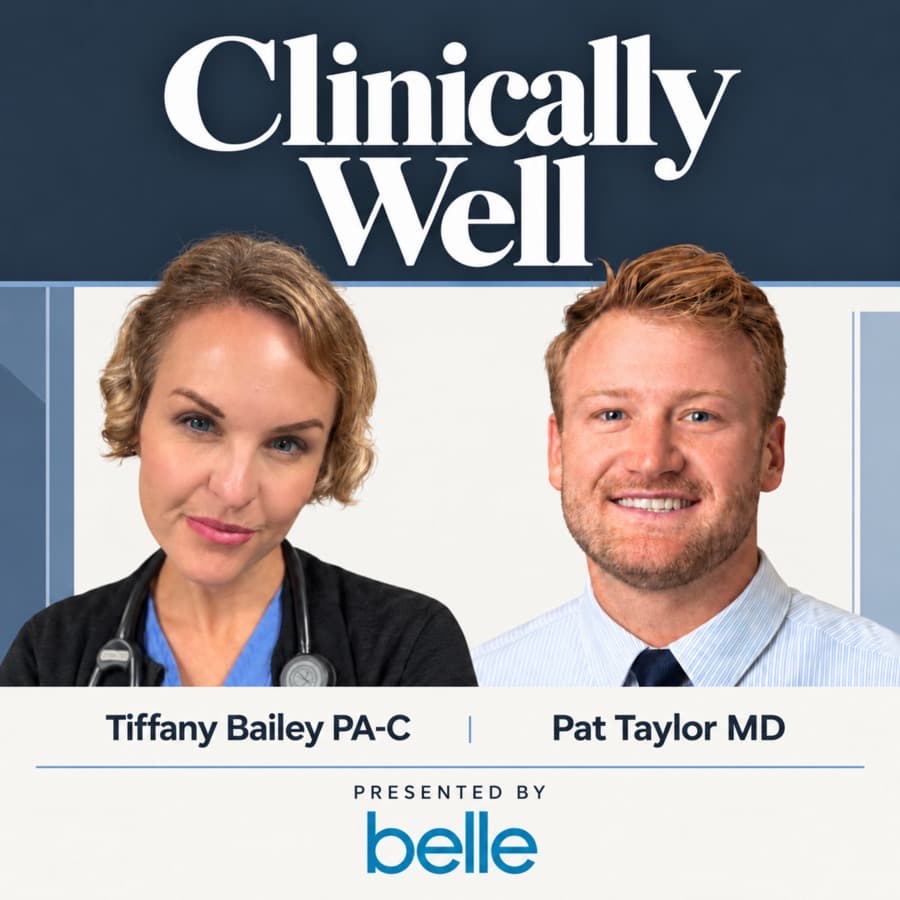
Each week, Dr. Pat Taylor, Belle's Chief Medical Officer, and Tiffany Bailey, PA-C, take one topic in metabolism, hormones or longevity and break it down. Dr. Pat brings the clinical depth. Tiffany puts it in plain language. You leave with clear answers and better questions for your next appointment.

Listen on SpotifyApple Podcasts
  • New episodes every Thursday
  • Hosted by a physician and a physician assistant
  • One topic per episode, about 35 minutes
Clinically Well cover art with hosts Tiffany Bailey, PA-C, and Pat Taylor, MD, presented by Belle
Latest episode

Muscle and longevity: strength training at any age

NewEpisode 335 min

Your muscle may say more about how long and how well you'll live than the number on the scale. For anyone who wants to protect their health as they age, is on a GLP-1, or has never lifted a weight.

  • What the sit-to-rise test and grip strength reveal about longevity
  • GLP-1s and muscle loss: what the data shows, and why protein alone isn't enough
  • The 3 principles of building muscle: progressive overload, training close to failure and protein
  • A beginner plan you can start at home, at the gym or from the couch
Open in Spotify
Ask the hosts

Have a question for Dr. Pat and Tiffany?

Send it in and it may be answered on a future episode.

We may read your question and first name on the show. Add your email if you'd like us to follow up. Please don't include personal medical details.

Ready for a plan?

From the episode to your own care.

Belle offers clinician-guided care for weight loss, hormones and longevity, with flat monthly pricing and no membership fees.

Season 1

Every episode, with the notes.

Open any episode for chapter times, the questions worth asking your clinician, and the resources mentioned on the show.

Ep.03

New35 minMuscleLongevityGLP-1s

Muscle and longevity: strength training at any age

Your muscle may say more about how long and how well you'll live than the number on the scale. For anyone who wants to protect their health as they age, is on a GLP-1, or has never lifted a weight.

In this episode

  • What the sit-to-rise test and grip strength reveal about longevity
  • GLP-1s and muscle loss: what the data shows, and why protein alone isn't enough
  • The 3 principles of building muscle: progressive overload, training close to failure and protein
  • A beginner plan you can start at home, at the gym or from the couch

Questions to ask your clinician

  • How do my grip strength and sit-to-rise test look for my age?
  • How much protein should I aim for each day?
  • Is creatine a good fit for me?

Ep.02

33 minHormonesMetabolismGLP-1sLabsMuscle

Insulin resistance in perimenopause: HRT, GLP-1s and muscle

Why does belly fat show up in your 40s when nothing about your diet or workouts has changed? Often, it's insulin resistance. Why perimenopause makes it more likely, and what you can do about it.

Ep.01

39 minGLP-1sMetabolism

GLP-1s explained: why they're more than an appetite suppressant

GLP-1 is one of the most talked-about drugs of the decade, and your gut already makes it after every meal. How GLP-1s work, why insulin resistance is the real root of the problem, and what the research says about the risks.

Up nextEpisode 4: PMOS (formerly PCOS)How insulin resistance, GLP-1s, muscle and hormones all connect.
Your hosts

A doctor and a PA, talking it through.

Dr. Pat Taylor, MD, MSCP

Chief Medical Officer, Belle

Dr. Pat Taylor, MD, MSCP

Board-certified family physician and menopause specialist. Pat brings the clinical side: what the research shows, where it's still thin, and how it changes what happens in the exam room.

Tiffany Bailey, PA-C

Director of Patient Education, Belle

Tiffany Bailey, PA-C

Physician assistant and Belle's lead educator. Tiffany asks the questions patients ask and turns the answers into plain language you can act on.

Clinically Well is presented by Belle. This podcast is for educational purposes only and is not medical advice. Talk with your own clinician about what's right for you.